Prime Sportsbook
Designing a modern, maintainable sportsbook for regulated US markets.
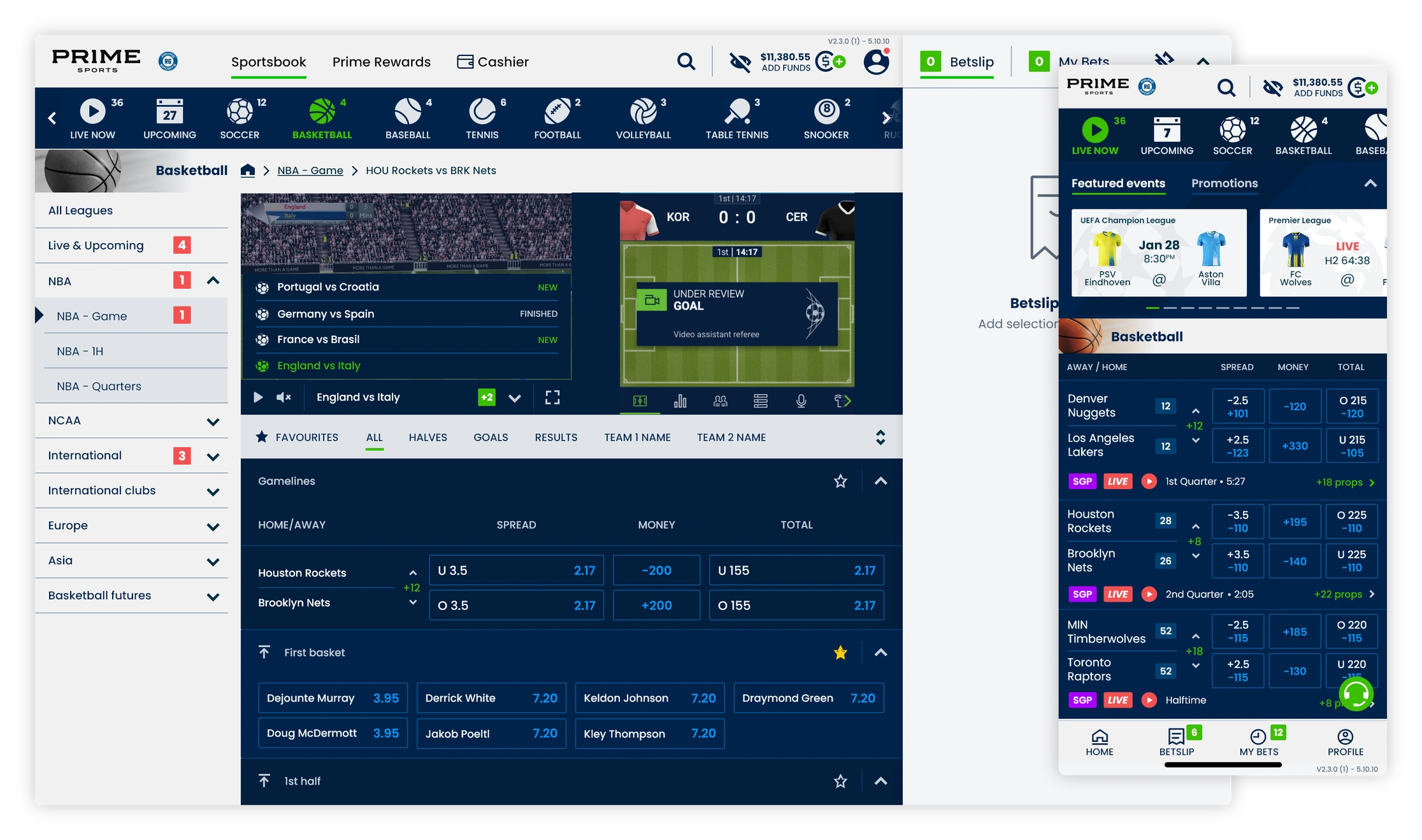
Context & scale
Expansion into regulated US markets required a ground-up rebuild. The existing platform did not meet regulatory requirements, lacked modern features and had become difficult to operate. Multiple product versions, each with different features and configurations plus separate mobile and desktop codebases, made maintenance and updates increasingly complex.
Role & ownership
With a new backend architecture being built, my role was to design a simple but robust system that could support modern sportsbook features and evolve as the product expanded. I focused on the responsive strategy and led the betslip redesign, collaborating with the stakeholders, a fellow designer, and engineering teams.
Research and goals
I paired with the PM and a fellow designer to audit leading US sportsbooks, identify feature gaps, opportunities, and define the baseline capabilities needed for a competitive product. The analysis helped us establish familiar industry patterns while identifying what the new platform needed to achieve:
- Maintainable codebase - Custom built, fully responsive layout.
- Feature coverage - Missing capabilities to inform the product roadmap.
- Multibranding - Suport multiple brands, skins, themes.
- Configurations - Customizable experience per brand.
- Audience and interaction - Support players with different levels of experience.
- Delivery dependencies - System adaptable to changing priorities and the capabilities available in the evolving backend.
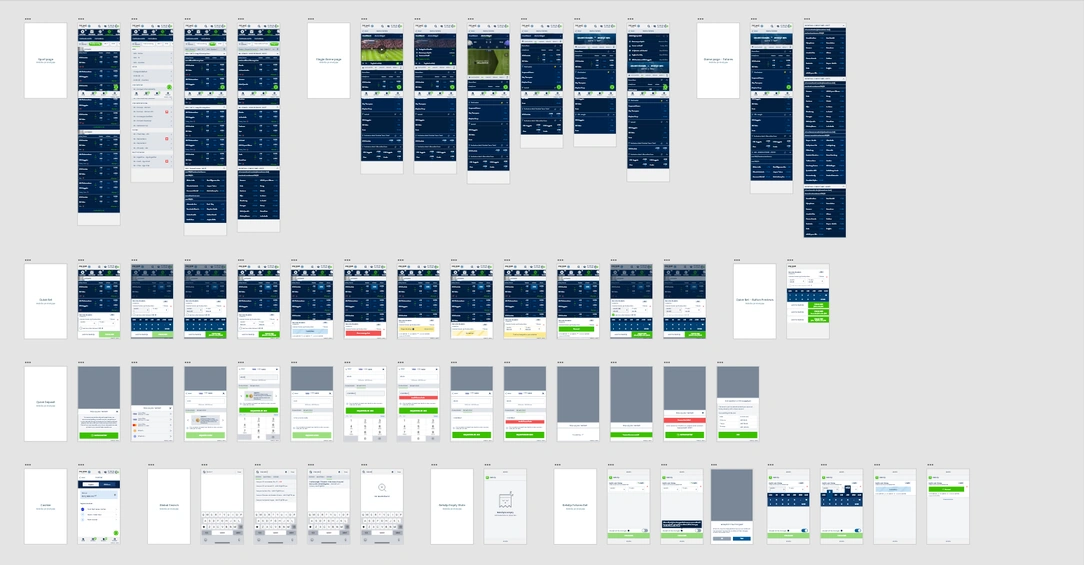
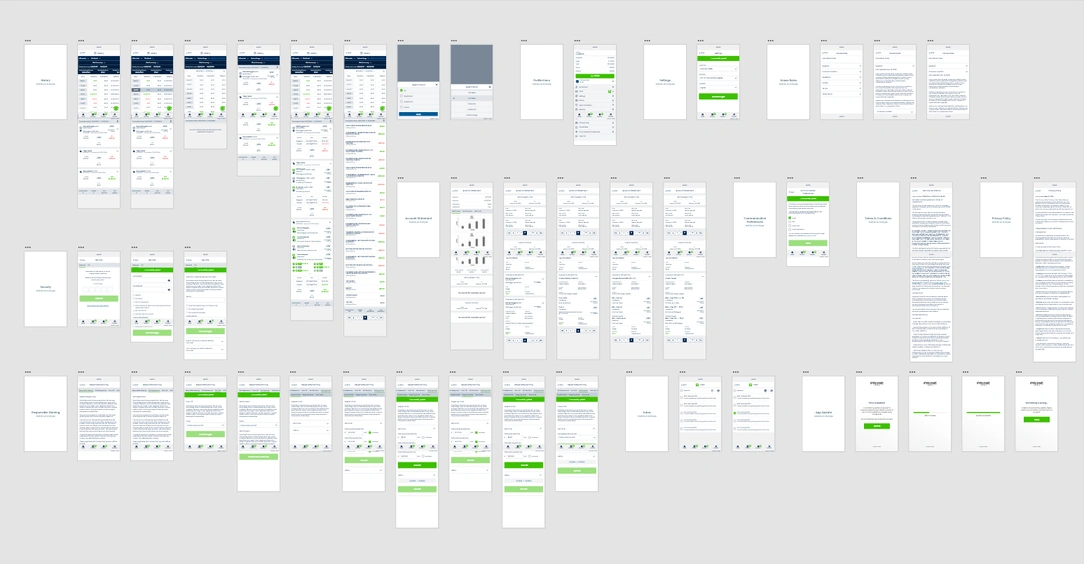
I worked across more than 500 mobile and desktop screens, from early exploration to final designs, defining information architecture and user flows. The product owner determined delivery priorities, which the PM communicated to the team. Scope and roadmap changed frequently as backend capabilities developed, requiring ongoing adjustments to the designs.
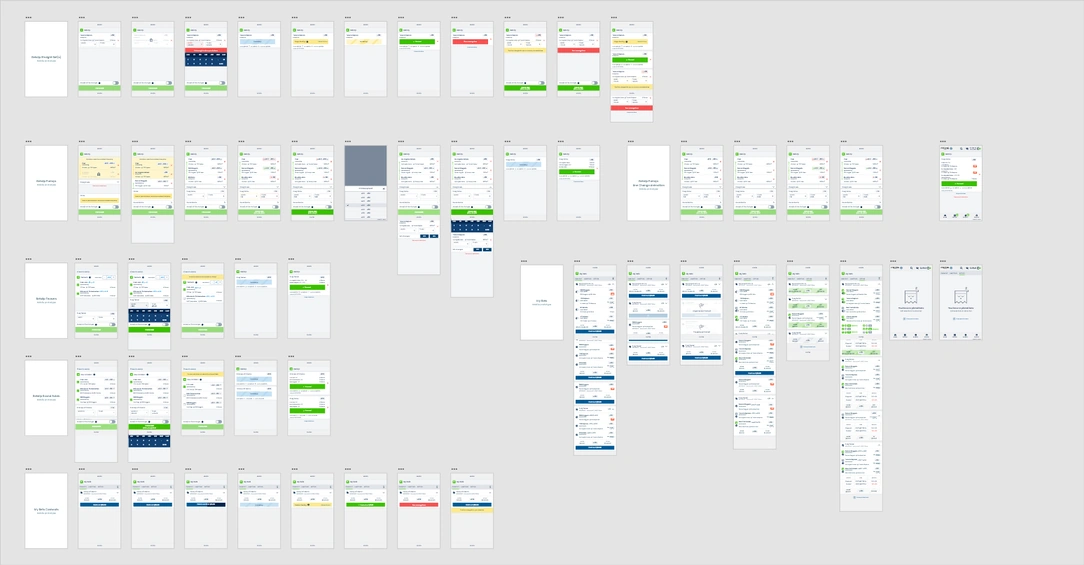
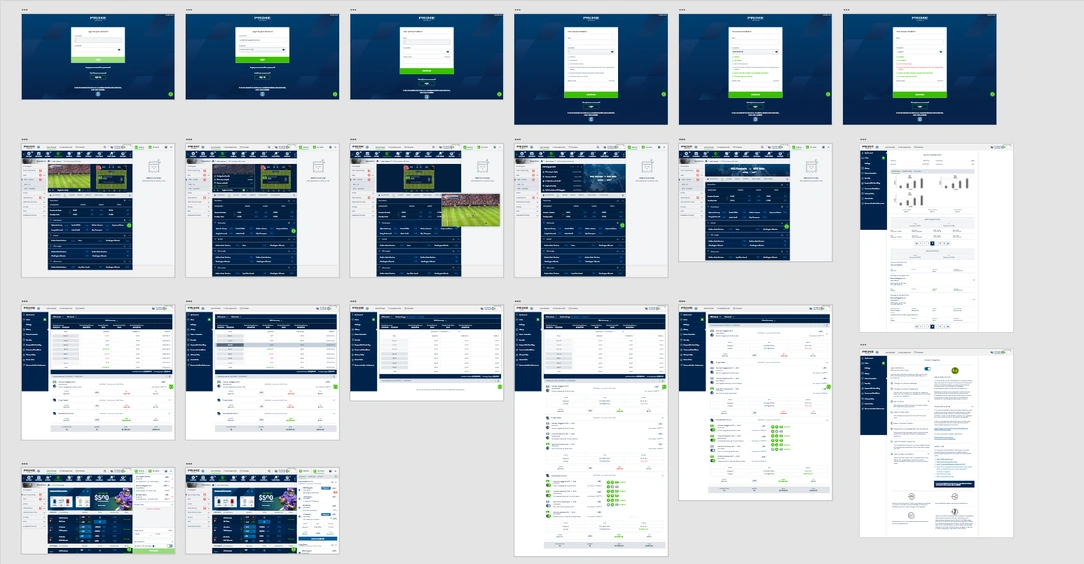
A shared reference
The roadmap continued to evolve throughout the project, while short deadlines and technical dependencies frequently shaped what could be delivered. We initially planned to build a comprehensive design system, but short deadlines changed that approach.
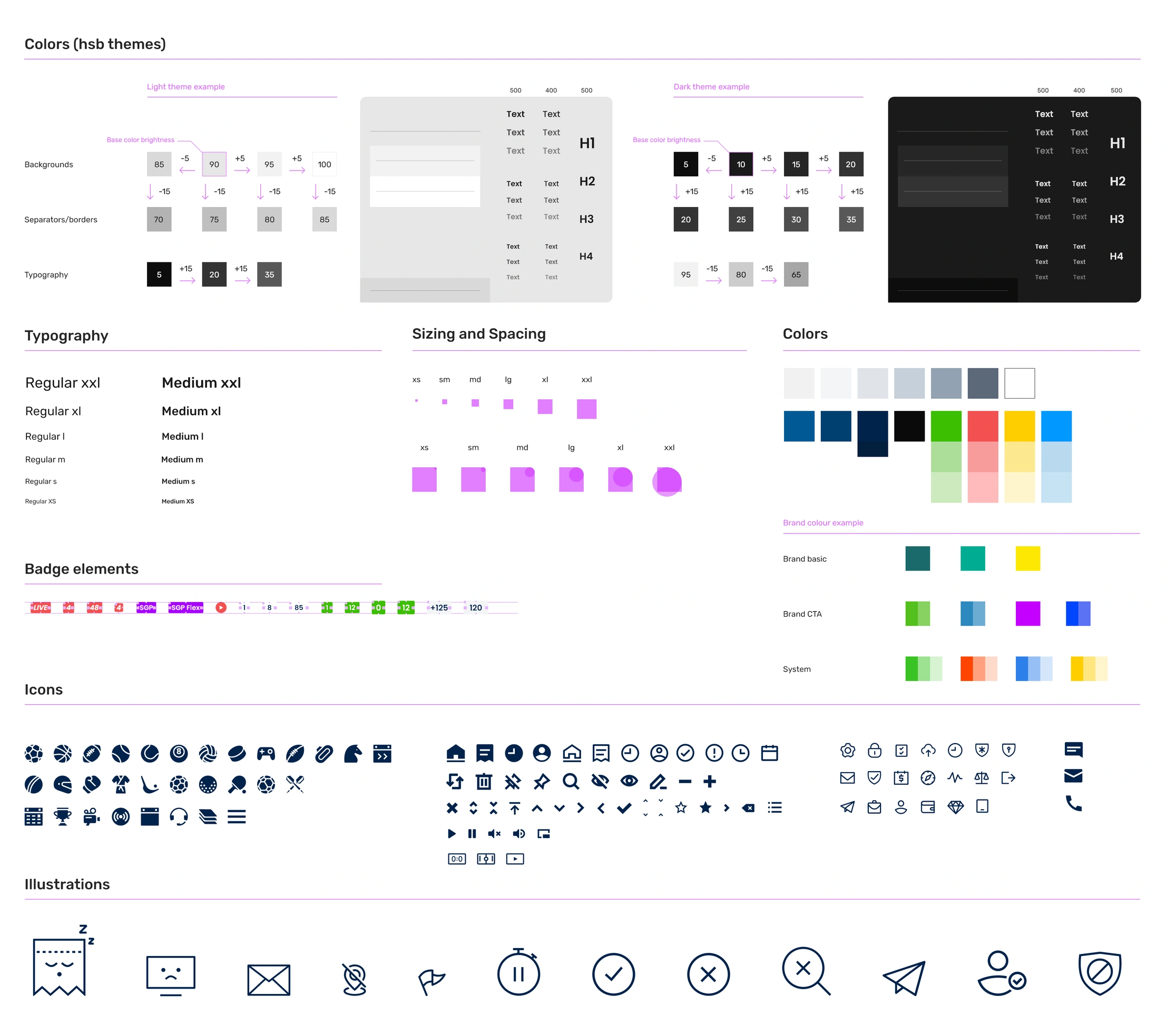
I worked closely with developers to establish a three-tier token system and a live component library that served as a shared implementation reference. Designed screens showed where and how the library’s elements should be implemented, while some details were subsequently defined through internal developer specifications.
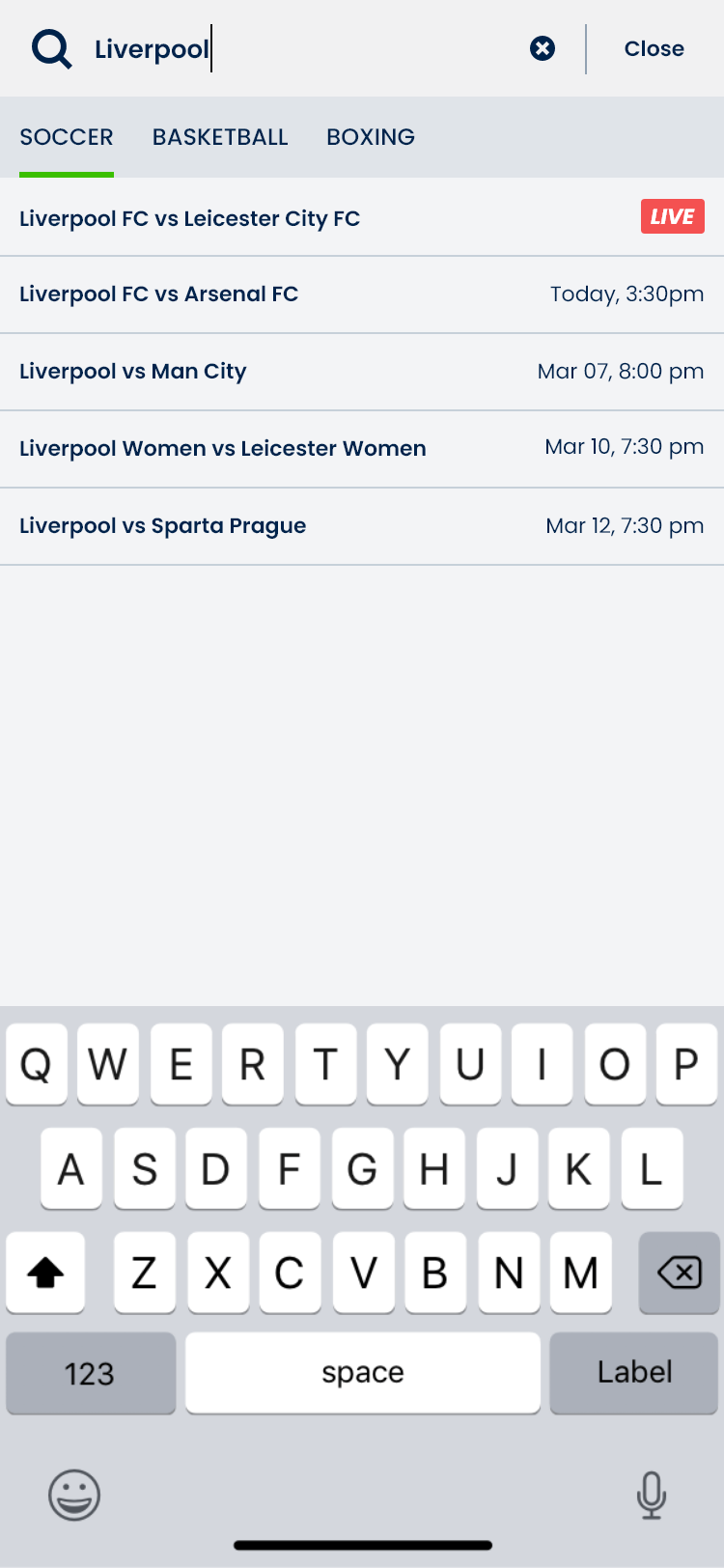
I also created 120+ custom icons and illustrations and designed flows covering pregame and live betting, search, streaming, statistics, registration, KYC, responsible gambling, and other core capabilities.
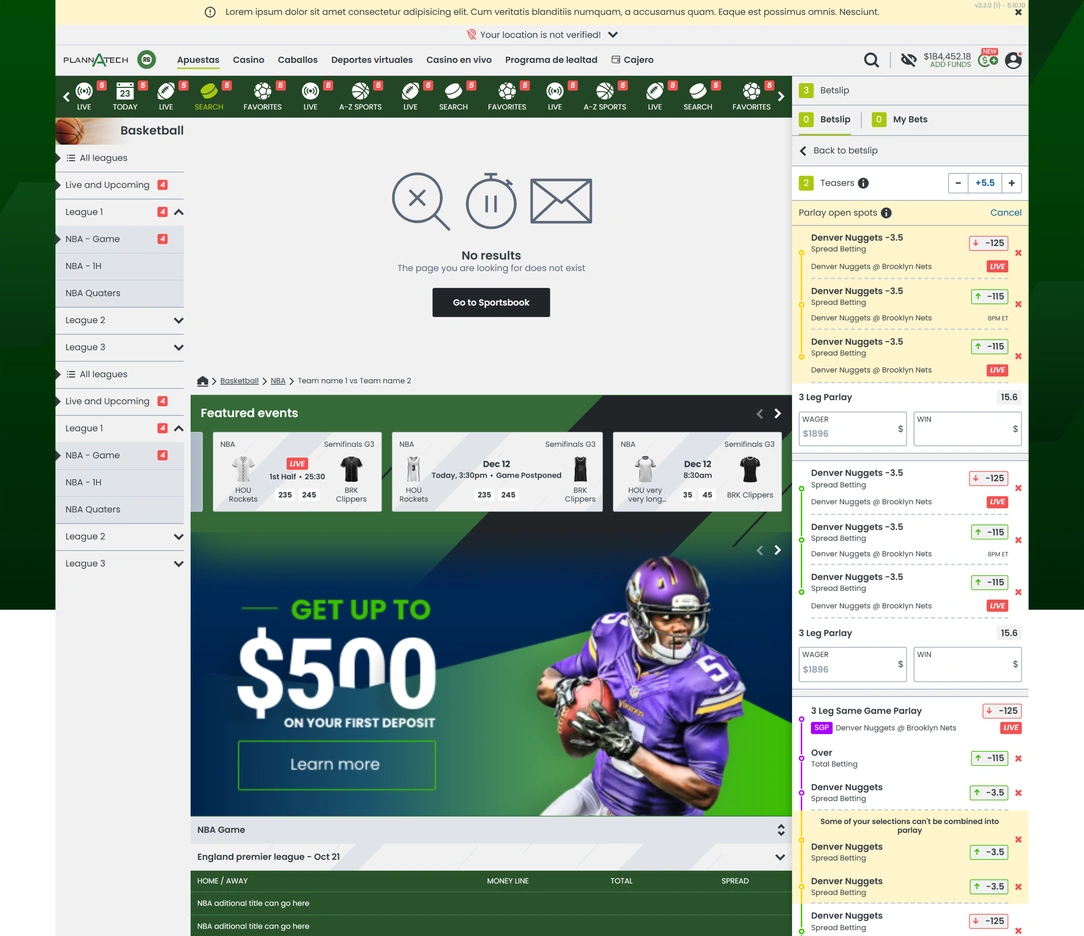
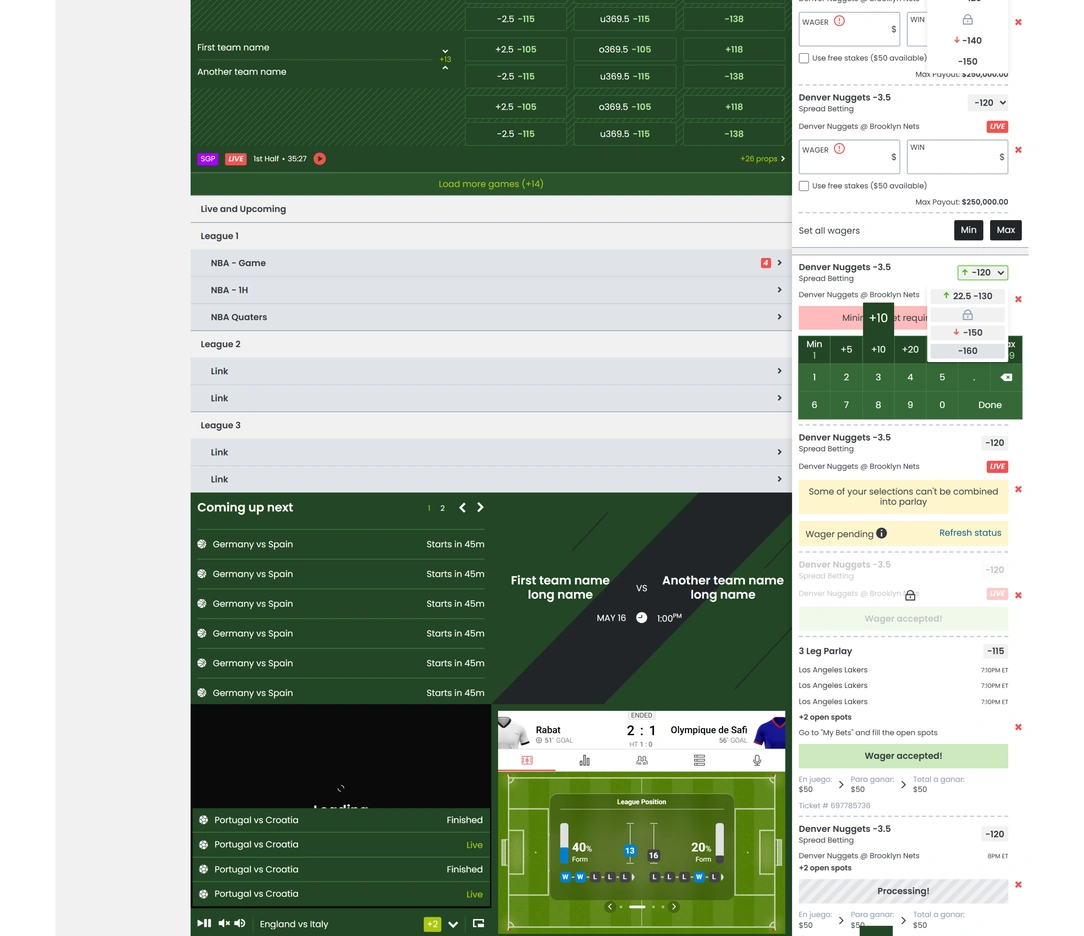
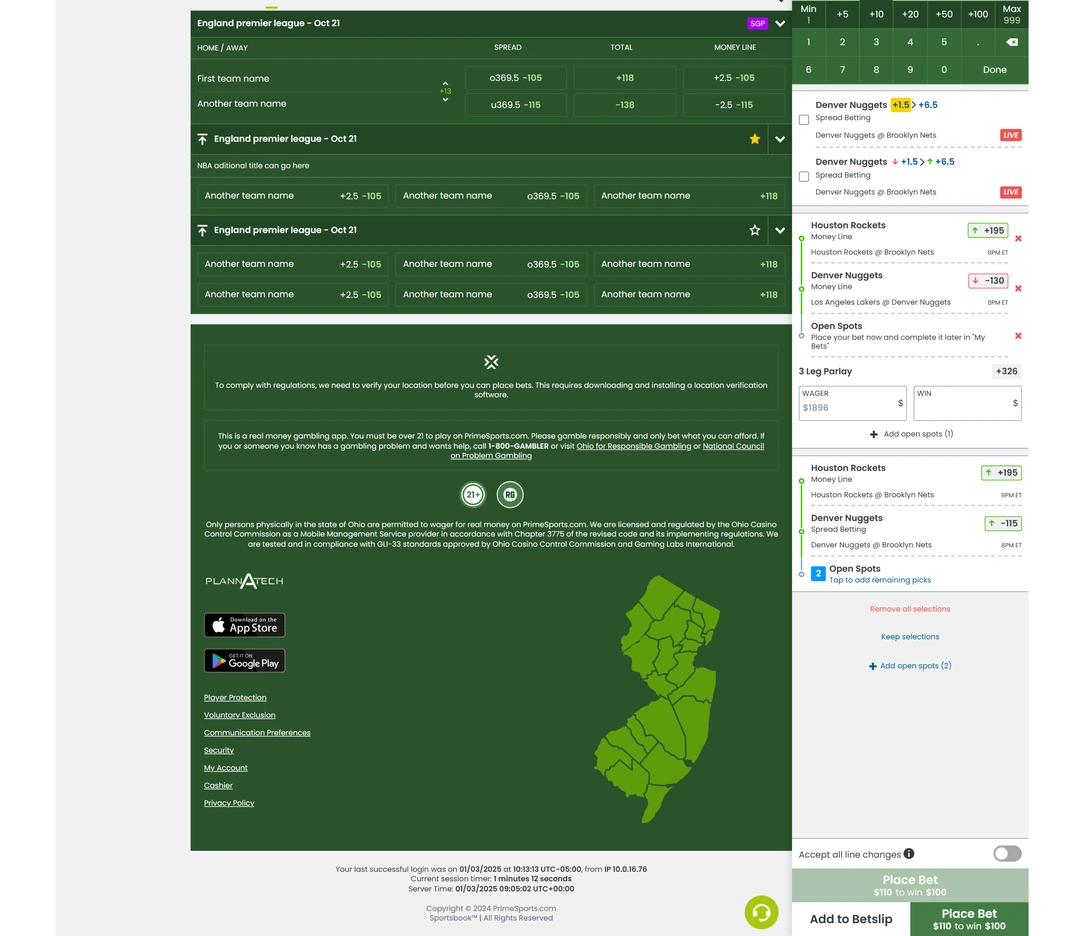
Every element competing for attention
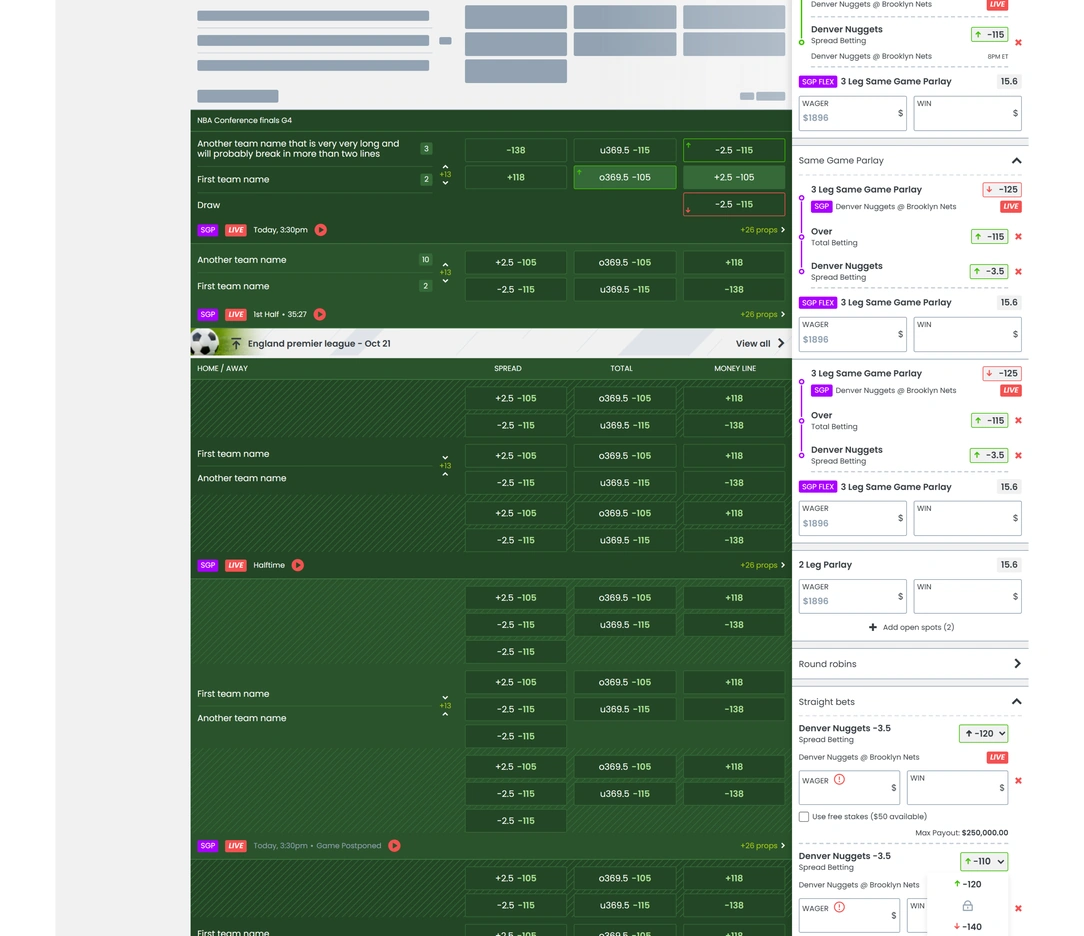
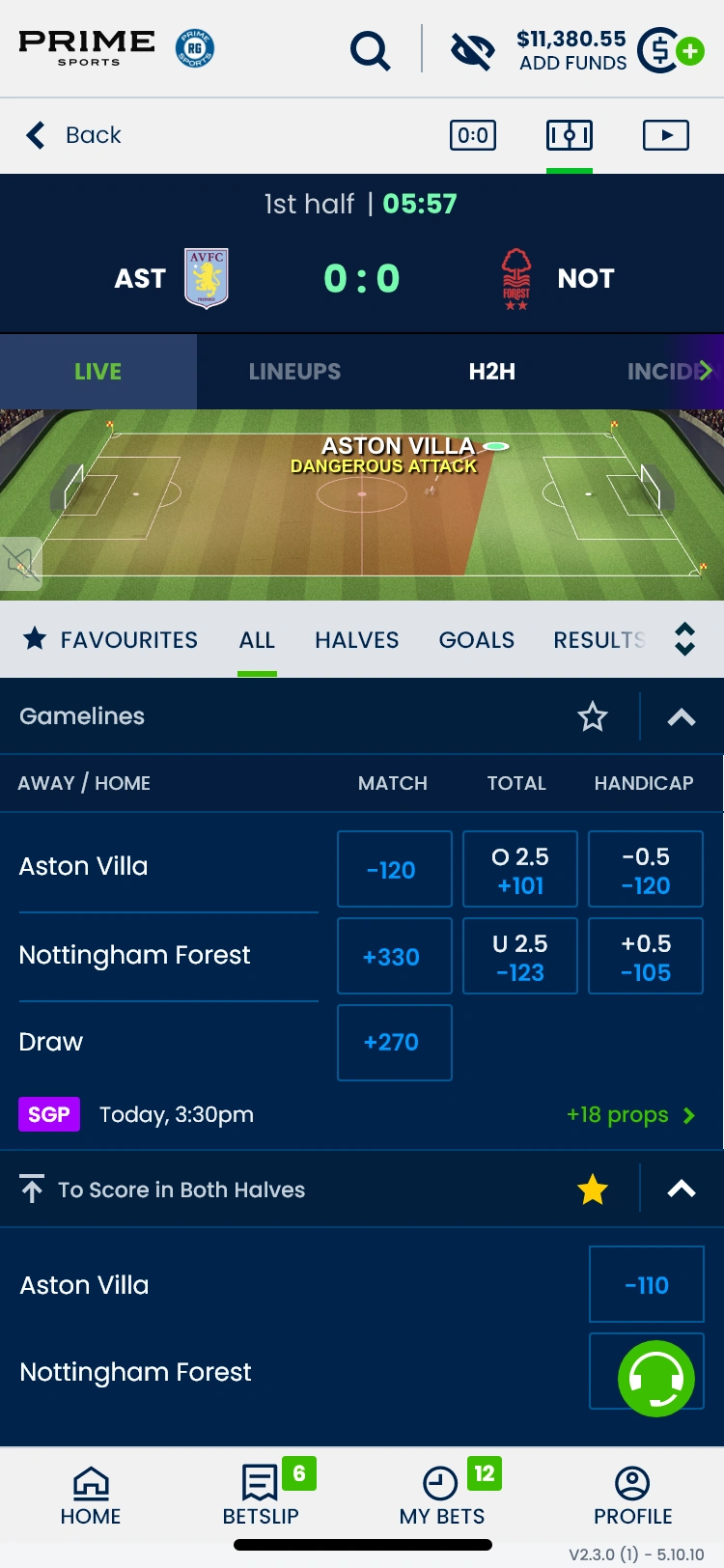
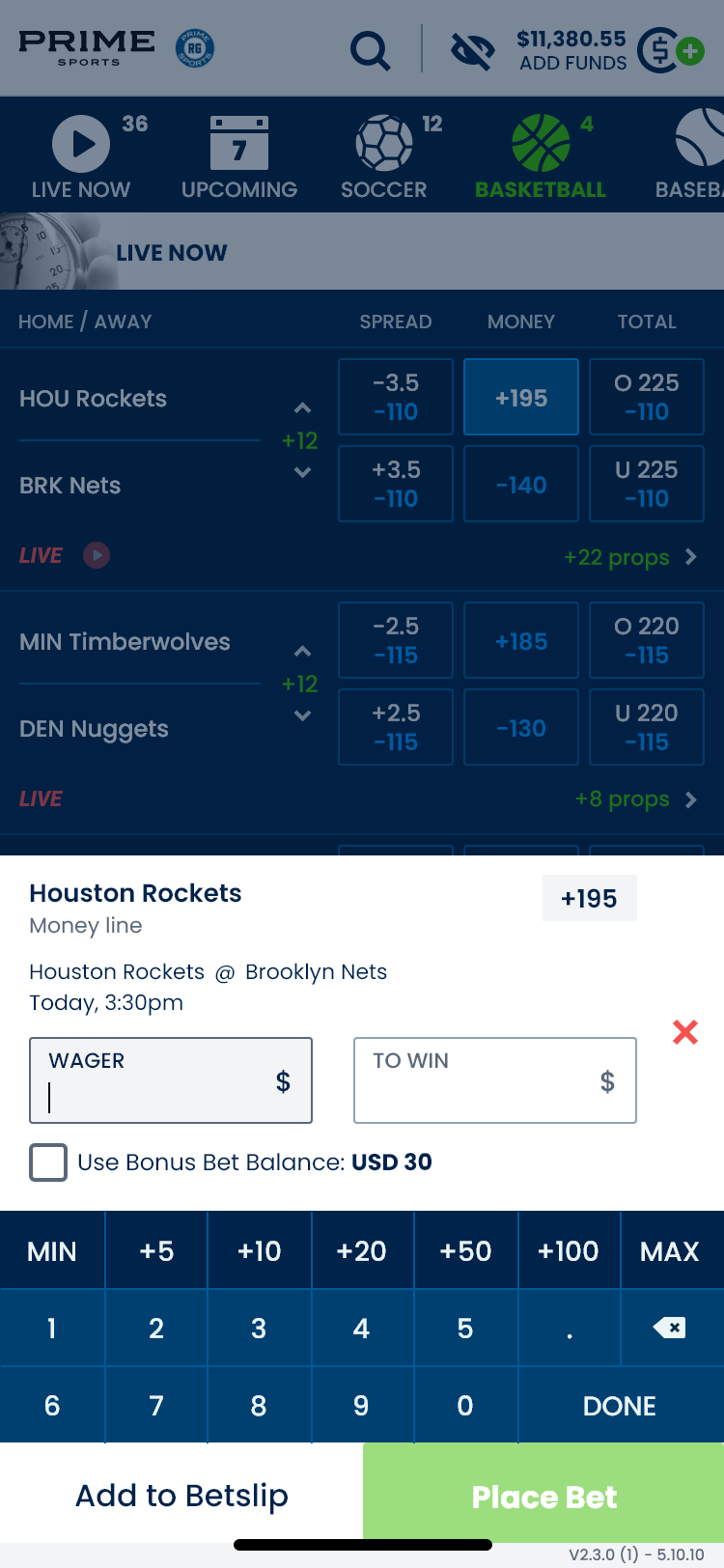
Sportsbook interfaces are dense and dynamic: odds, scores, market states, and selections can change simultaneously. Schedule views, game views, and the betslip were the priorities because they formed the core betting journey and were critical to conversion. I focused on keeping these areas accessible and establishing a clear hierarchy between competing information and actions. The betslip was the most complex part and underwent the most substantial changes from the legacy experience.
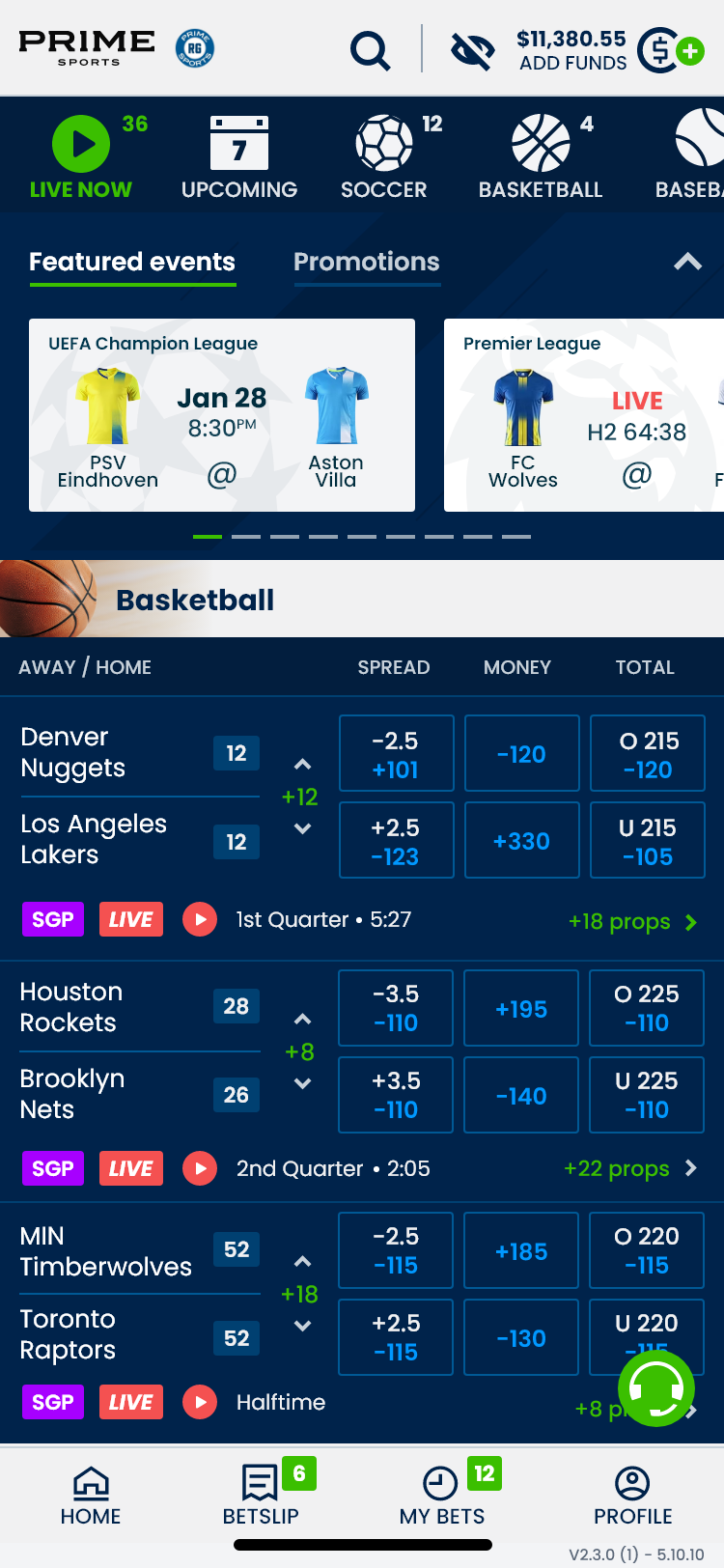
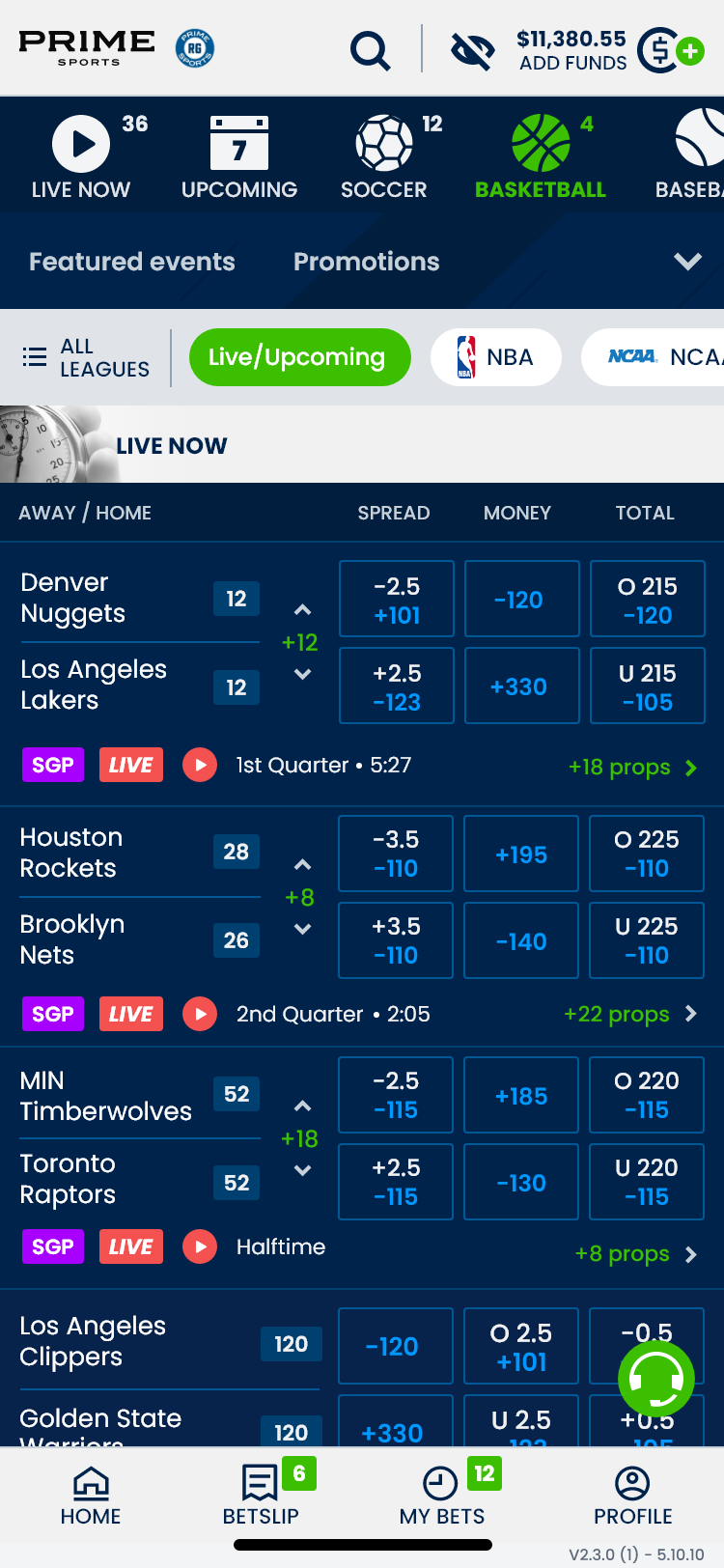
Intersection of user intent and business goals
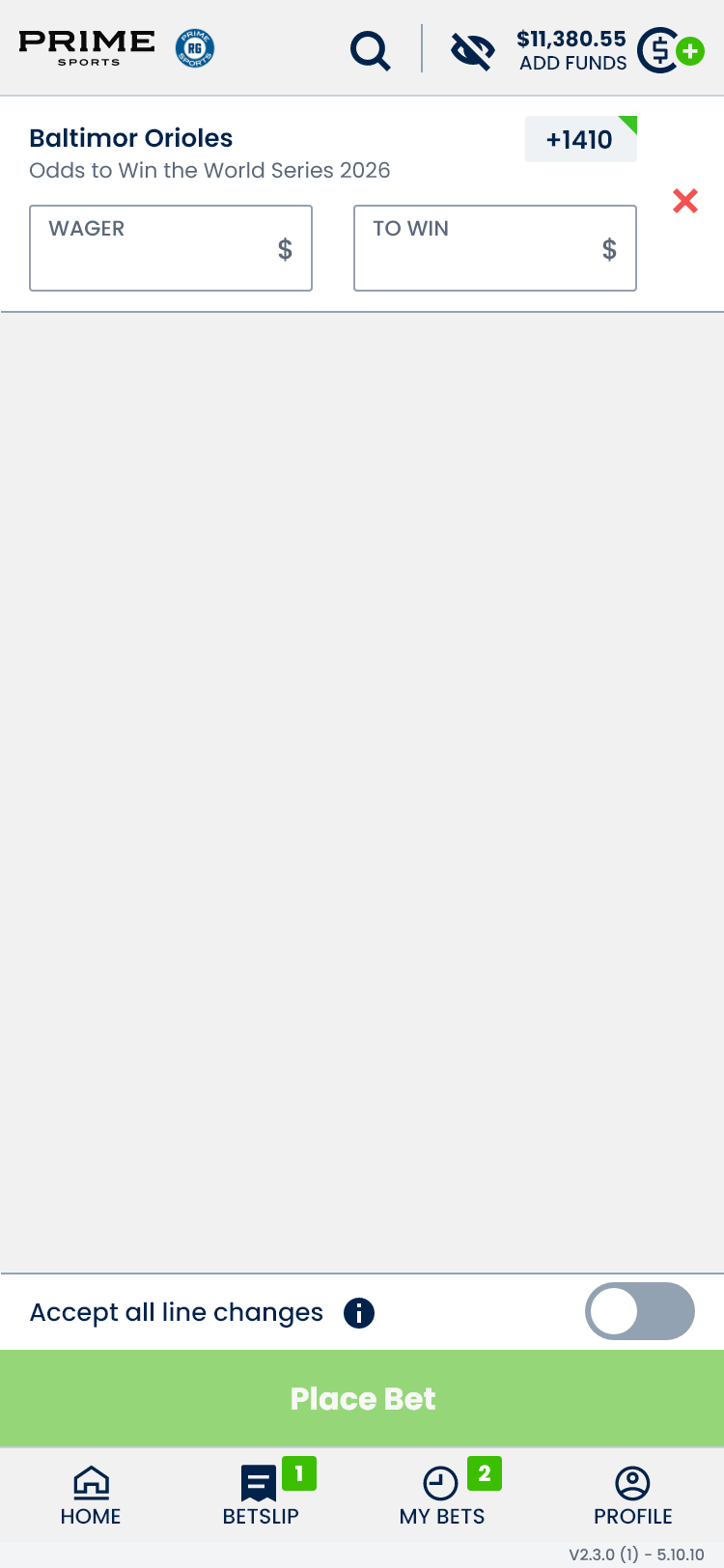
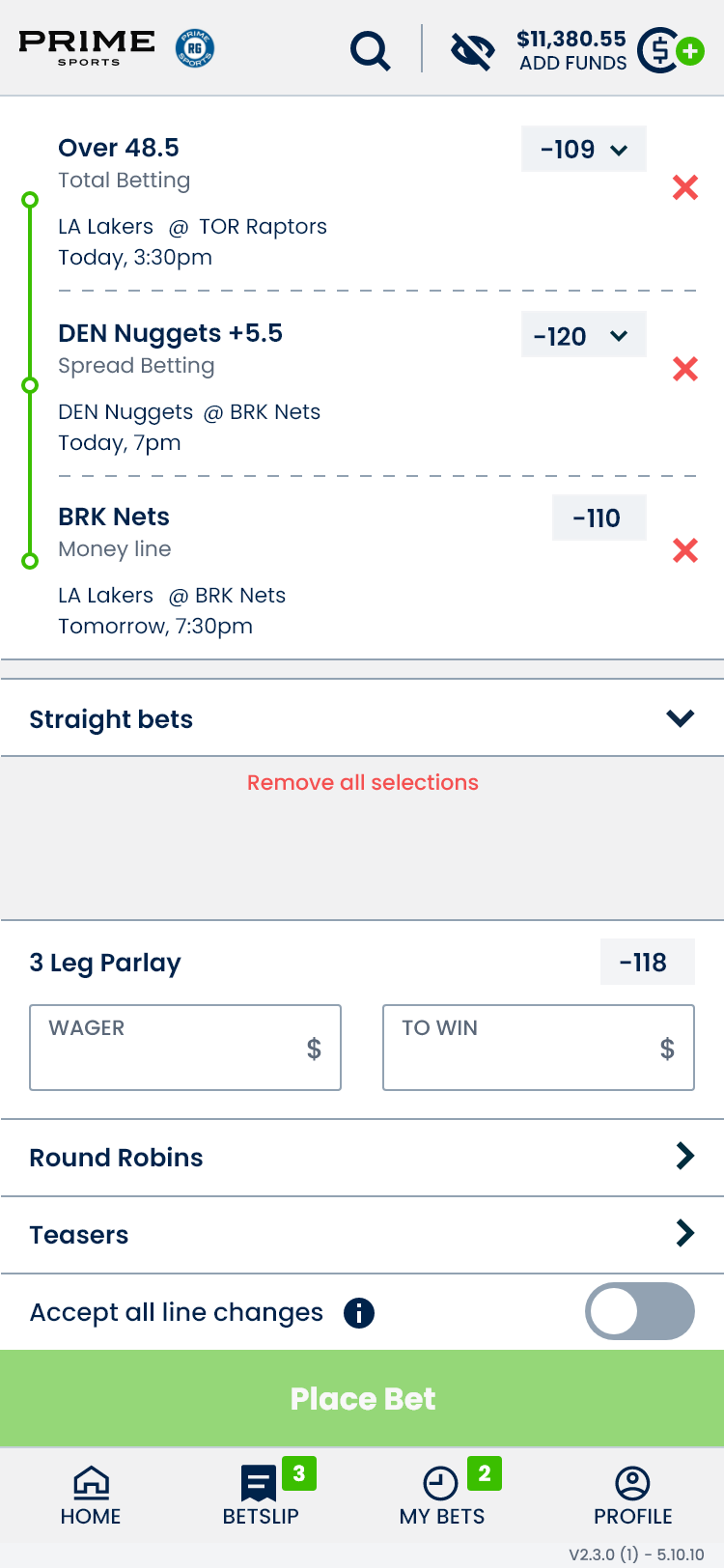
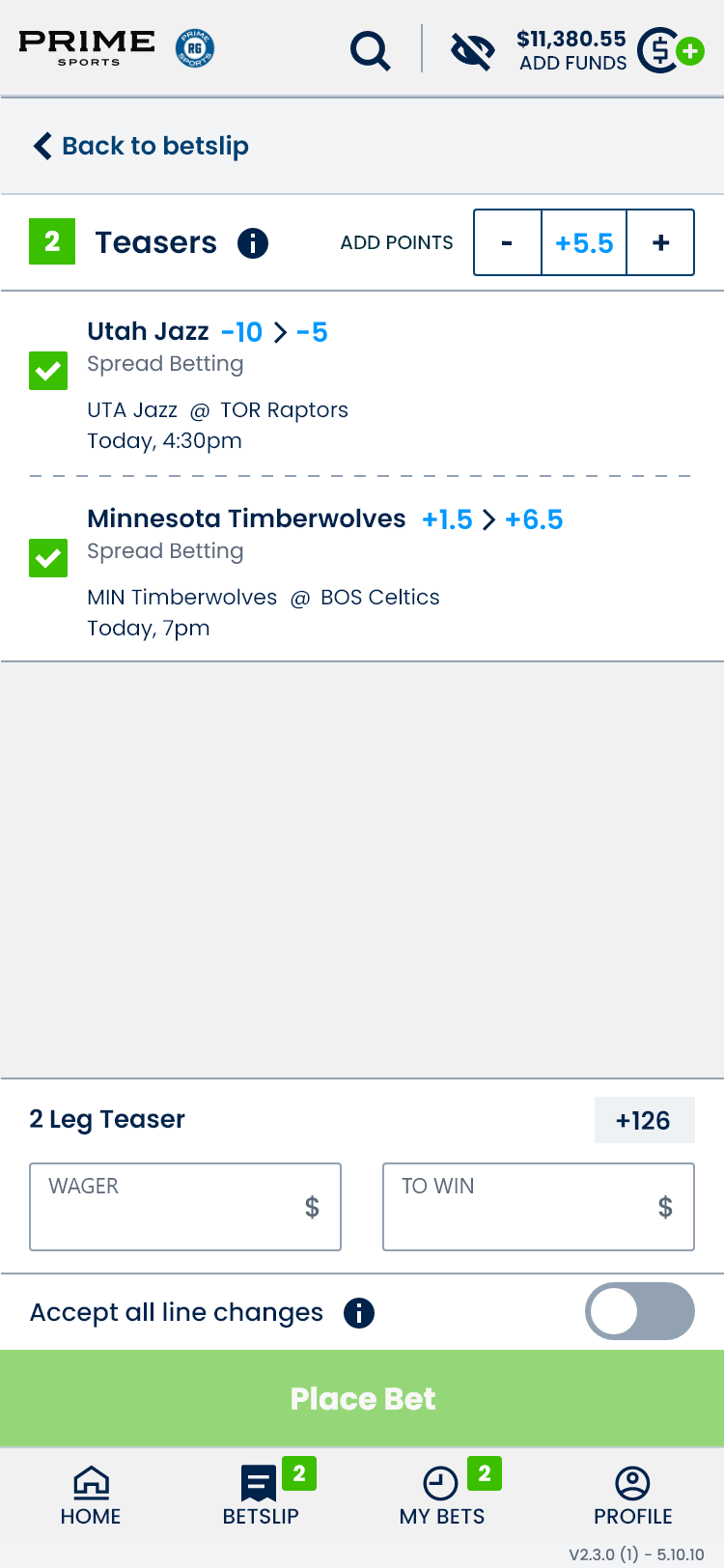
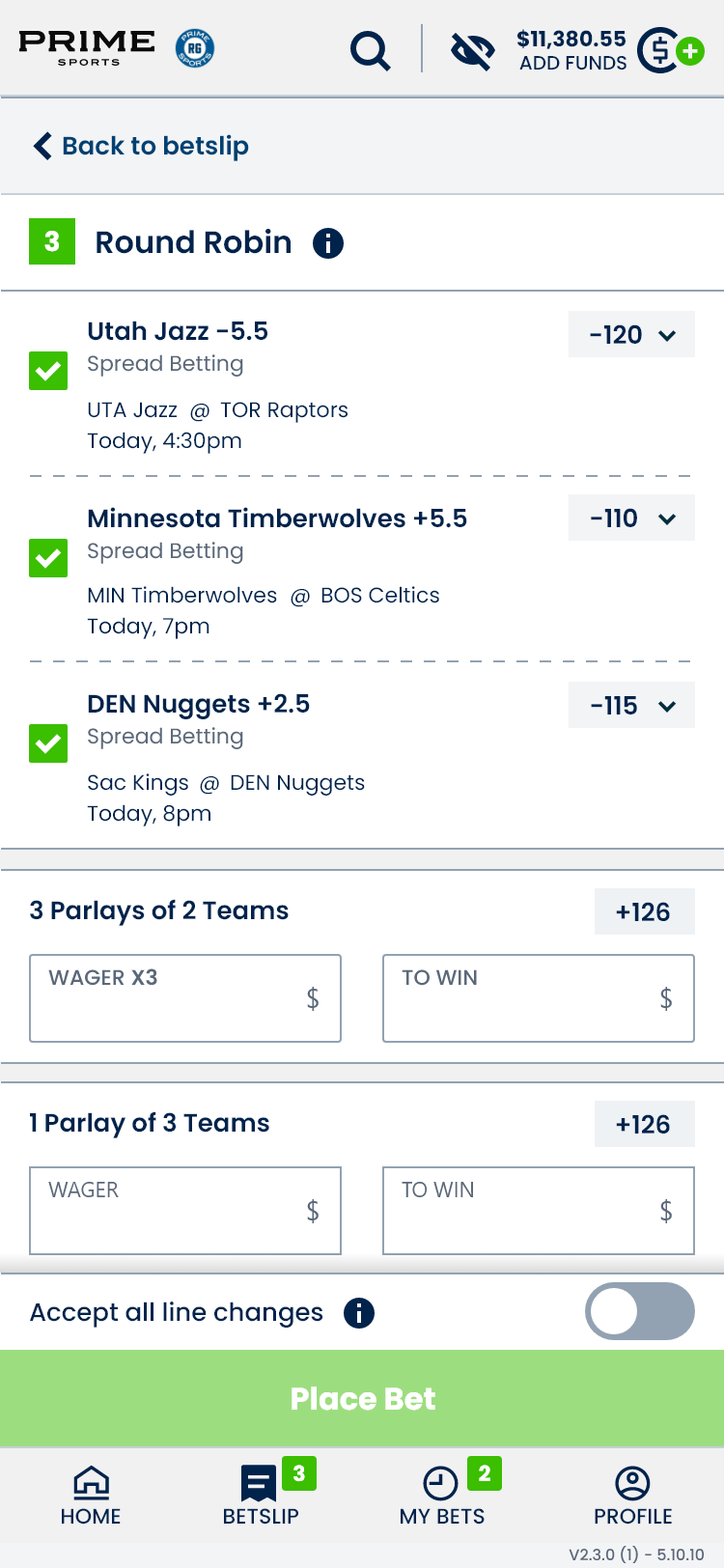
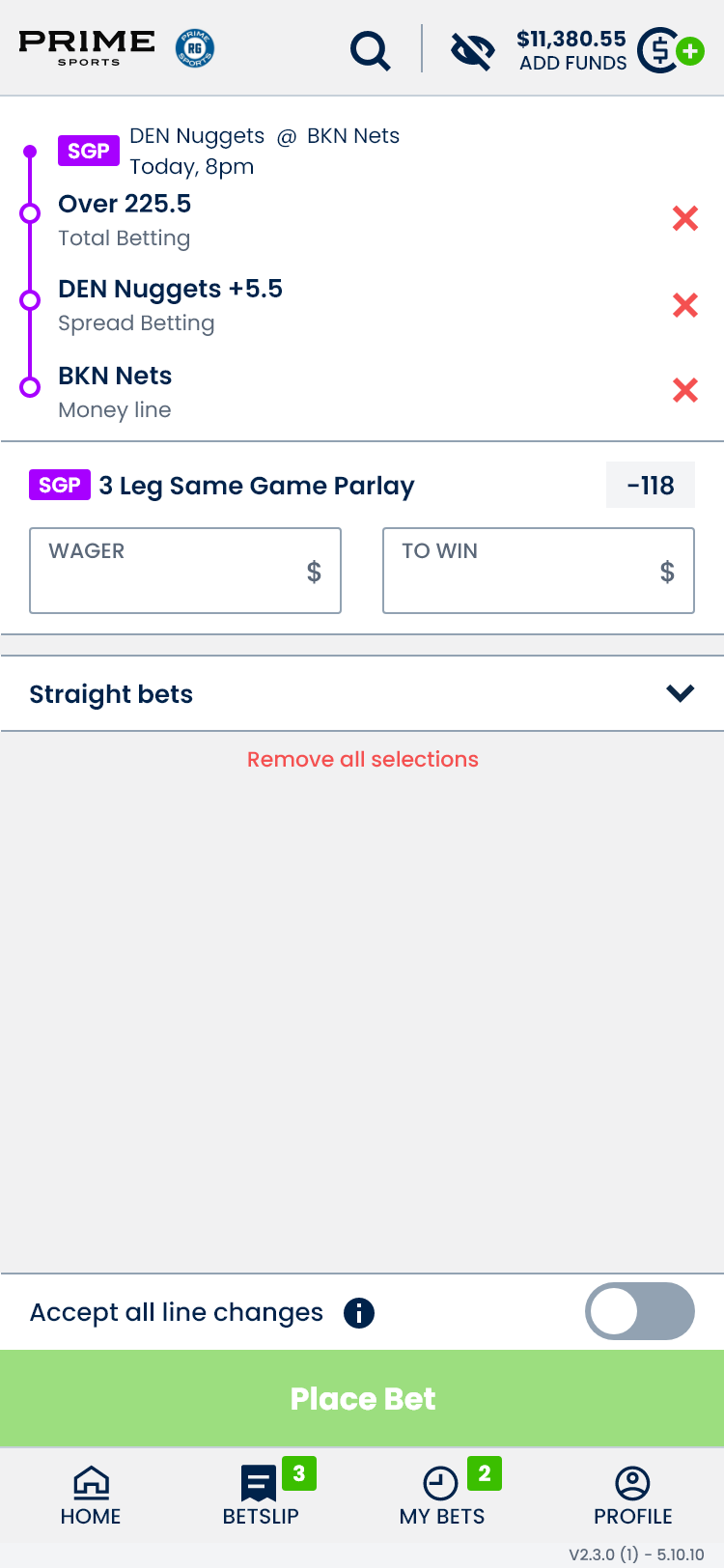
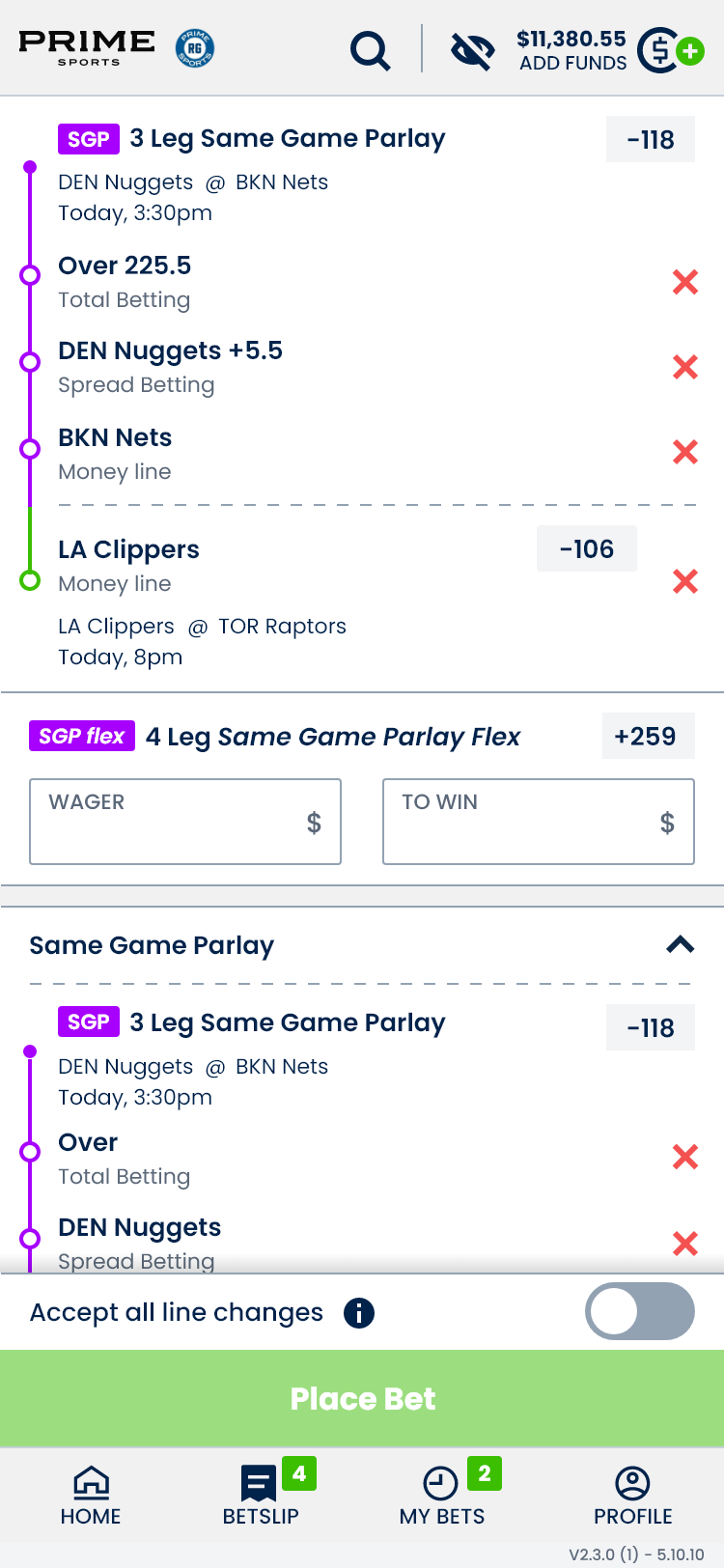
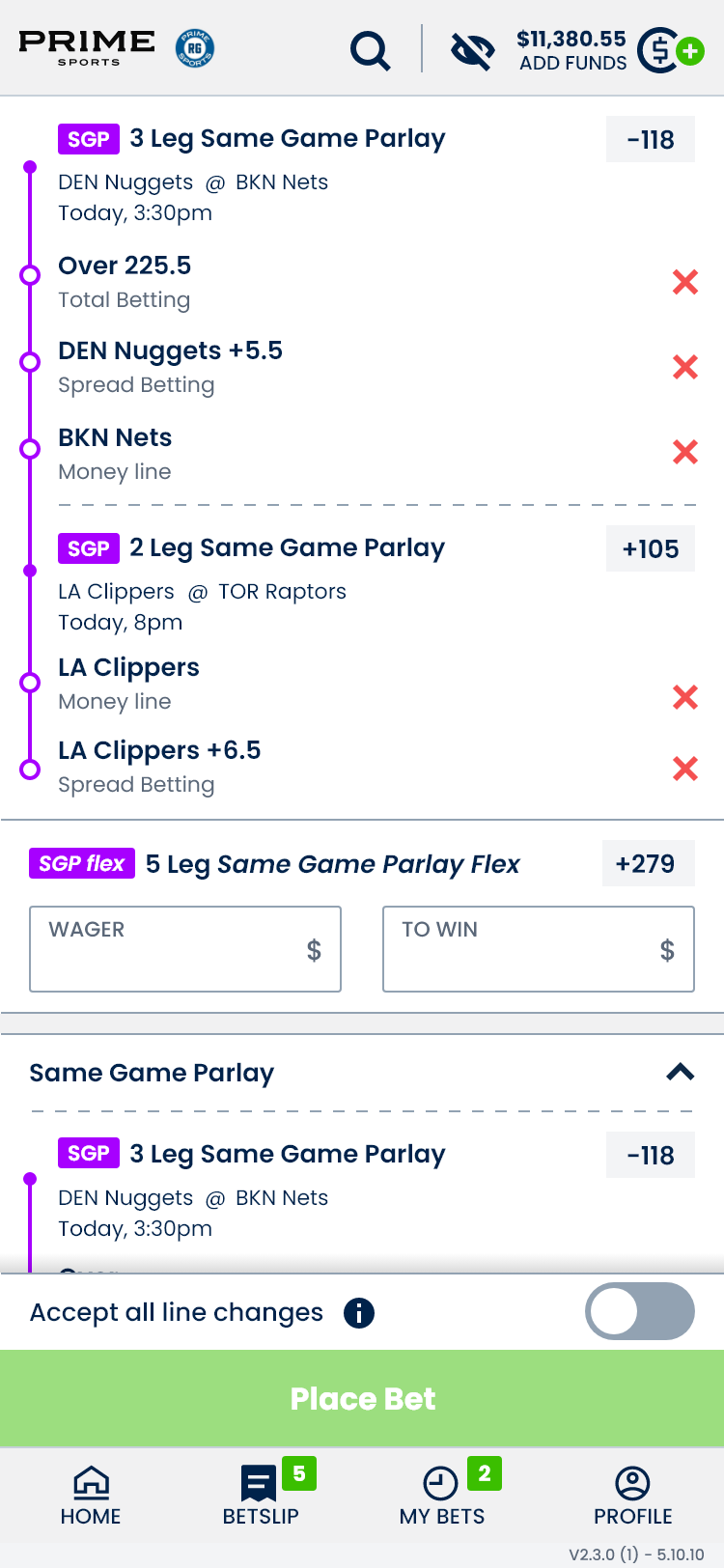
The betslip was both a core product experience and a critical conversion point. The challenge was to support Singles, Parlays, Same Game Parlays, SGP Flex, Round Robins, Teasers, and Open Parlay Slots while managing a complex set of rules, combinations, and changing states without overwhelming users.
I designed it to provide users with a frictionless experience by showing relevant possibilities and next-step guidance as selections changed. The aim was to make the available options and combinations understandable without expecting users to know every betting rule.
Evolving in production
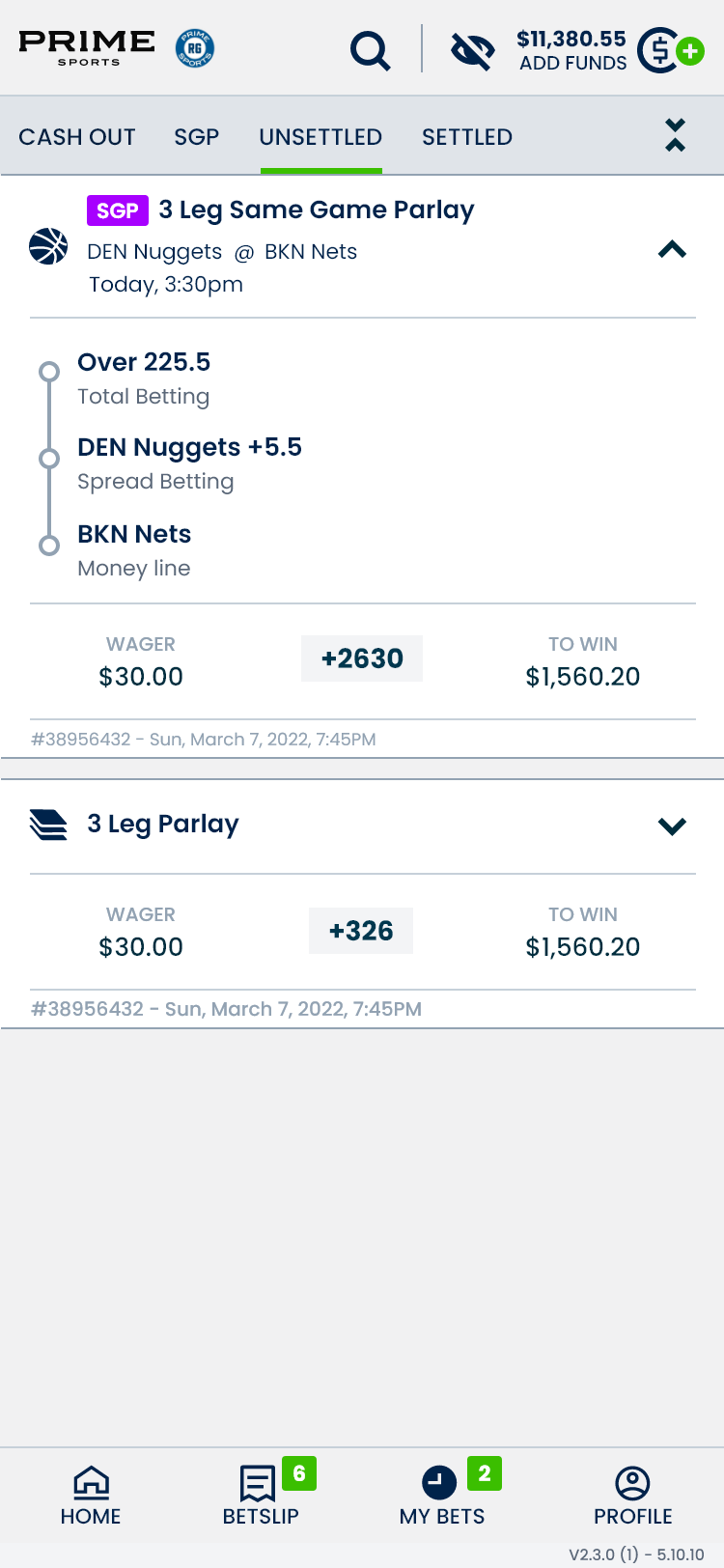
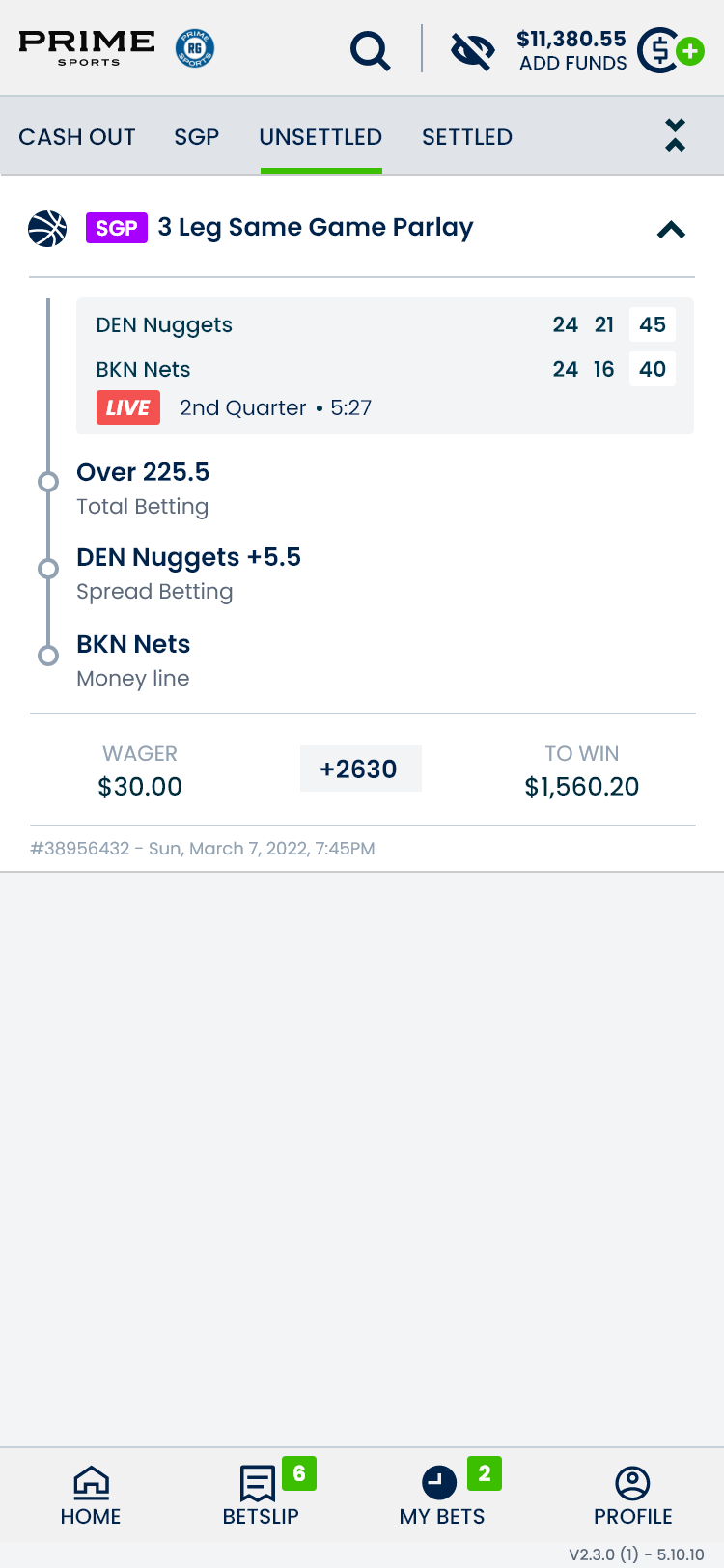
Following the initial launch in Ohio, the platform expanded to New Jersey and Kentucky over the next two years. I continued adapting screens and flows to changing business requirements and each market’s requirements. Feedback from stakeholders and technical teams informed this work, while the designs helped communicate intended behavior to developers and QA. Delivery continued to depend on the evolving backend, and some capabilities remained planned or only partially implemented during my involvement.
Advocating for a better way to ship
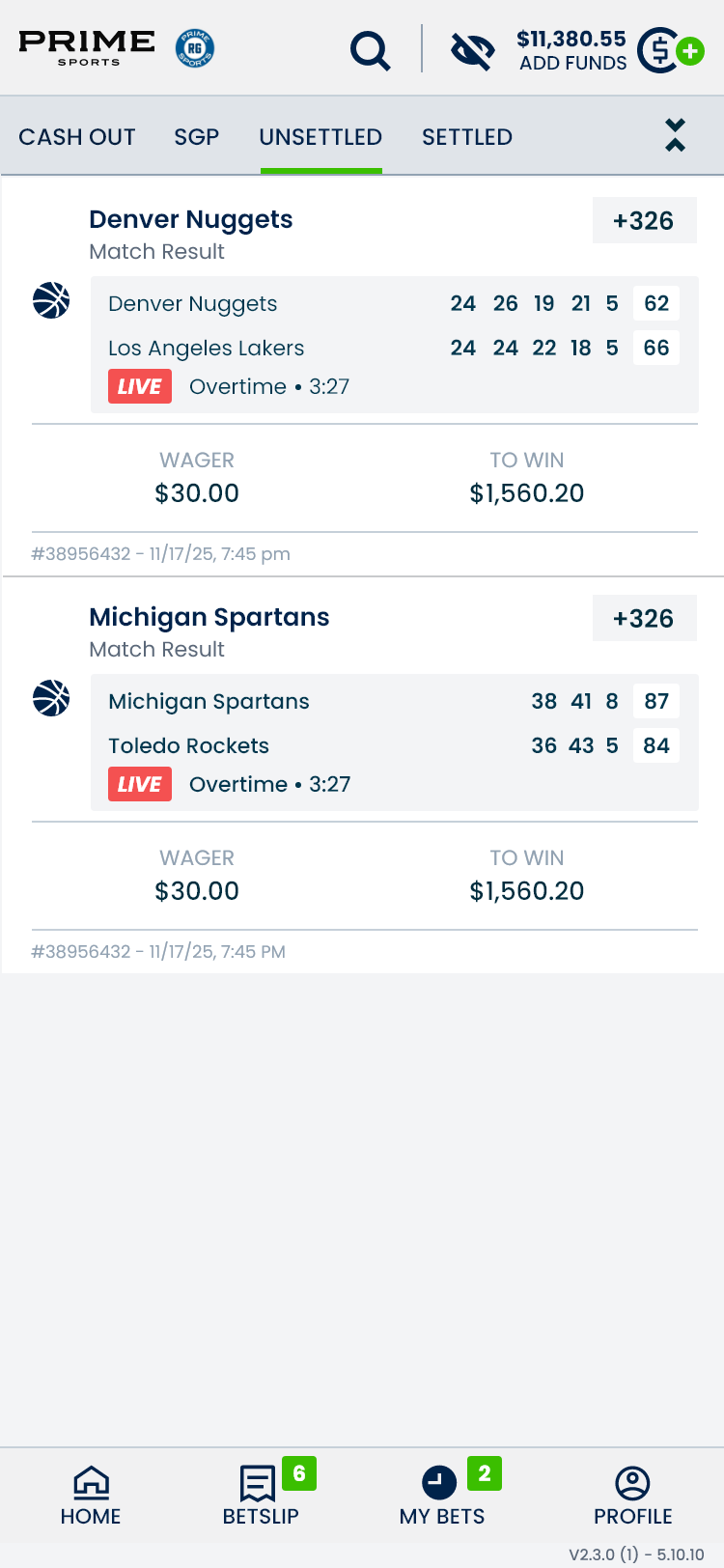
As the platform grew, maintaining alignment between design and implementation became increasingly difficult. Technical constraints and deadlines shaped design decisions and gave the design team limited visibility and influence to address systemic issues. I partnered with the product team to document gaps in a Jira backlog and worked with QA and engineering to prioritize corrections. I also advocated for a streamlined process for improvements, supported by tighter design reviews, cross-team handoffs, and even access to production code.
During the final 3 months, I helped the expanding team through hiring and onboarding, helping new colleagues understand the existing system and processes.
Building a foundation
The planned integration of new backend capabilities was intended to enable a configurable betslip and navigation, more diverse betting offers, a personalized homepage, and a more unified experience across sportsbook and casino. Not every concept was implemented during my time on the project, but the underlying design direction was created to support the product’s continued evolution.
Looking back, I would prioritize establishing the design system and a single shared source of truth earlier, with clearer ownership of keeping design and implementation aligned throughout delivery.
Alongside Sportsbook, I contributed to complex internal back-office products, building some from scratch and advancing others that supported navigation, feeds, and daily agent workflows. Further details are covered by the NDA.